

The term "convention" is increasingly heard in business settings, but have you ever wondered, "What exactly is the difference between a convention, a conference, and a seminar?"
While many people might imagine a large-scale event, few may truly understand its precise meaning, purpose, or the benefits of holding such an event.
However, conventions are not just gatherings; they are powerful platforms that generate new business opportunities, innovation, and connections between people.
This article provides a thorough explanation of conventions from every angle, from their basic meaning and specific types to the steps required for successful hosting and the crucial role of venue selection.
table of contents
What is a convention?
The word "convention" originates from the Latin word "convenire," meaning "to gather." As the name suggests, a convention refers to a large-scale meeting or gathering where many people come together for a specific theme or common purpose.
While the purposes vary widely, including academic presentations, sharing of the latest industry information, and corporate strategy announcements, the fundamental aim is to contribute to the development of participants, organizations, and society as a whole through information exchange and personal interaction.
The role of conventions in MICE (Meetings, Incentives, Conferences, and Exhibitions)
In recent years, the term "MICE" has been gaining attention in the field of business events. This is an acronym formed from the first letters of Meeting, Incentive, Convention, and Exhibition /Event, and is a general term for business events that bring together many people.
MICE (Meetings, Incentives, Conferences, and Exhibitions) is considered a vital industry that has a significant impact on the economies of companies and local communities, and conventions, in particular, play a central role as large-scale, formal gatherings.
Click here to learn more about MICE > "What is MICE?"
Difference in meaning from conferences, forums, etc.
There are several words that are often confused with "convention," but each has a different nuance.
Differences from conferences
While both "convention" and "conference" refer to a "meeting," a conference carries a stronger connotation of being a place where more specialized discussions take place on a particular topic. Conventions are generally larger and include more formal general assemblies, whereas conferences are more of a forum for discussions among experts in a specific field.
What is a conference? A clear explanation of its meaning, purpose, and how it works.
Difference from a forum
A forum refers to a type of "public discussion" where multiple speakers present their opinions on a given topic, and participants engage in a debate. Emphasis is placed on two-way discussion rather than one-sided information dissemination.
Difference from a meeting
A meeting primarily refers to a small-group discussion or conference held within a company, and differs significantly from a convention in terms of scale and formality.
Difference from a seminar
A seminar is a "workshop" or "training session" where an expert acts as the instructor on a specific topic, providing knowledge and information to participants. It has a strong educational aspect, and participants primarily act as listeners.
Differences from exhibitions
Trade shows are venues where companies and organizations display their products and services in booth format to appeal to visitors. Their primary purpose is business negotiations and sales promotion, rather than information exchange. However, large-scale conventions often include concurrent exhibitions of related products and technologies.
Specific types and examples of conventions
Let's look at some specific examples to see how conventions are actually held.
International conference
The largest and most formal examples of conventions are international conferences between nations.
Examples include the G7 (Summit of the Group of Seven), G20, and APEC (Asia-Pacific Economic Cooperation), which are important forums where heads of state and ministers from various countries discuss and make decisions on global issues.
Science Councils and Academic Societies
Conventions are also a typical venue where researchers from various fields gather to present their latest research findings and exchange knowledge.
These conferences, such as the Japan Medical Association General Assembly and the Information Processing Society of Japan National Convention, are held in various specialized fields and make a significant contribution to the academic development of those fields.
Corporate-sponsored conventions
There are also many conventions hosted by companies.
Conventions include large-scale launch events for new products and services, meetings where sales agents and partner companies from across the country gather to share management strategies, and kick-off meetings where all employees come together. These events are held with the aim of sharing the company's vision and increasing engagement with stakeholders.
Conferences and general meetings held by associations and organizations
Conventions also include annual general meetings and national conferences held by industry associations, associations, and non-profit organizations to report on their activities and make decisions.
It also plays an important role as a place for members to exchange information and network.
Why hold a convention? The purpose of conventions and three benefits.
Conventions offer significant benefits to organizers, participants, and the host city.
Benefits for the organizers
For organizers, conventions are an excellent opportunity to showcase their organization's presence to society.
By announcing the latest research findings and new products, you can establish your position as an industry leader and expect a strong branding effect.
Furthermore, direct interaction with many participants can help build strong relationships with customers and members, and create new business opportunities. For internal conventions, it can foster a sense of unity within the organization and contribute to internal branding by boosting employee morale.
Benefits for participants
For participants, this is a valuable opportunity to efficiently gather the latest industry trends and expertise.
Listening to lectures by leading experts and interacting with other participants who share similar concerns can lead to improved skills and increased motivation.
It can be said that this is an extremely valuable networking opportunity where you can build connections with key people you wouldn't normally meet.
Benefits for the host region (city)
Large-scale conventions also bring significant benefits to the local economy of the host city.
The influx of numerous participants from both within Japan and internationally will benefit accommodations, restaurants, transportation services, and other businesses, generating significant economic benefits.
Furthermore, being selected as a convention venue itself contributes to raising the city's profile and promoting its appeal (city promotion), thereby enhancing its status as a hub for business and cultural exchange.
How to Host a Successful Convention: 4 Steps
Thorough planning and preparation are essential for hosting a high-quality convention. Here, we will explain the process from planning to post-event follow-up in four steps.
Step 1: Planning Phase
The planning phase is the foundation for everything. This is where we solidify the framework of the convention.
Clarifying the purpose and goals
We thoroughly define "why we want to communicate this message, to whom, and what we want to convey."
Target and concept design
We create a concrete profile of the target participants and design themes and concepts that will resonate most with them.
Decision on the format of the event
We will choose the most suitable format from in-person, online, or a hybrid combining both.
Selection of basic items
We will select the specific dates, duration, and venue.
Budget planning
Identify your income and expenses, and create a feasible budget.
Step 2: Preparation Phase
Once the plan is finalized, we'll begin the specific preparations. It's crucial to steadily progress through the diverse tasks involved.
Program implementation
We plan the details of the program, including keynote speeches and breakout sessions.
Speaker assignments
We invite engaging speakers and guests who are relevant to the theme to participate.
Public relations and customer acquisition activities
We will promote the event and recruit participants through our official website, social media, and press releases.
Various arrangements and production
We will handle the development of the participant registration system, the creation of operation manuals and scripts, and the arrangement of specialized vendors for venue setup, sound and video equipment, and catering. *Since the preparation items are numerous, consulting with an experienced professional event management company is also a good option.
Step 3: On-the-day operation phase
The day of the convention has finally arrived. We will strive for smooth operation to ensure that all participants are satisfied.
Reception and guidance
We will guide participants smoothly to the venue.
progress management
We manage each program to ensure it runs on time.
Operating a place for interaction
We organize social gatherings and other events to encourage interaction among participants.
Troubleshooting
To prepare for unforeseen circumstances, we have established a system of coordination among our staff to respond calmly and promptly.
Step 4: Post-event phase
To maximize the value of a convention, follow-up after the event is essential.
Conducting a survey
We will conduct a survey of participants to collect feedback and use it to improve the event next time.
After-sales support
We will build ongoing relationships with participants by sending thank-you emails and publishing event reports.
Effectiveness measurement and evaluation
We will compile an accounting report, measure and evaluate the overall effectiveness of the convention, and use the results to plan future events.
The key to success lies in choosing the right venue.
Choosing the right venue is a crucial factor in determining the success of a convention. Of course, basic conditions such as sufficient capacity to accommodate attendees, availability of necessary equipment, and easy access are important. However, these are not the only factors that determine participant satisfaction.
In recent years, the concepts of "bleisure," which combines business (work) and leisure (vacation), and "workation," which combines work and vacation in a resort area, have become widespread. To meet these new needs, the ability to provide "special experiences" that participants can enjoy before and after meetings is becoming a new criterion for selecting a venue.
How to Choose a Convention Venue | A Complete Guide to Selection Points and Booking Procedures (Link)
The choice of Miyazaki's "PHOENIX SEAGAIA RESORT"
Nestled amidst the magnificent natural beauty of Miyazaki PHOENIX SEAGAIA RESORT is a convention facility that truly meets the needs of this new era.
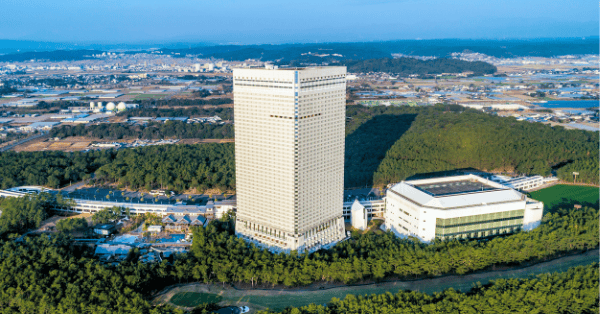
This convention center, which has previously hosted G7 summits and can accommodate up to 5,000 people, features a variety of banquet rooms of different sizes.
Its overwhelming capacity and flexibility make it suitable for conventions of all purposes and scales, from national-level international conferences to corporate incentive trips and executive retreats for important decision-making.
Of course, we have the latest audio and video equipment and a high-speed internet environment, and our experienced professional staff will provide consistent support from the planning stage to the day of the event.
More than just meetings. A unique and unparalleled experiential value.
The greatest appeal of SEAGAIA doesn't end with Meeting Rooms. At the PHOENIX SEAGAIA OCEAN TOWER, adjacent to the convention hall, you can enjoy a magnificent view of the Pacific Ocean and have a truly relaxing stay.
For meals, you can enjoy a variety of restaurants that make the most of Miyazaki's abundant ingredients, a "treasure trove of food." After the convention, the ultimate refreshment awaits you, including a round of golf on a course recognized by top professionals worldwide, or a relaxing time at a spa.
Such a unique experience will dramatically increase participant satisfaction and help them more deeply engrave the lessons learned and connections made at the convention into their memories.
summary
A convention is more than just a meeting where people gather; it's a crucial platform where information, people, and businesses intersect to create new value. Its success depends on clear objectives, meticulous preparation, and the selection of a venue that can provide participants with an unforgettable experience.
If you're looking to host a truly memorable convention that will leave a lasting impression on attendees, then PHOENIX SEAGAIA RESORT, with its perfect blend of business and resort amenities, is an excellent choice.
For inquiries about PHOENIX SEAGAIA RESORT please click here >>
Download facility and service information here >>
Written by: PHOENIX SEAGAIA RESORT MICE Editorial Department
A specialized team supporting MICE events such as corporate meetings, training sessions, and award trips. We share information about the attractions of Miyazaki and help you choose the perfect venue.